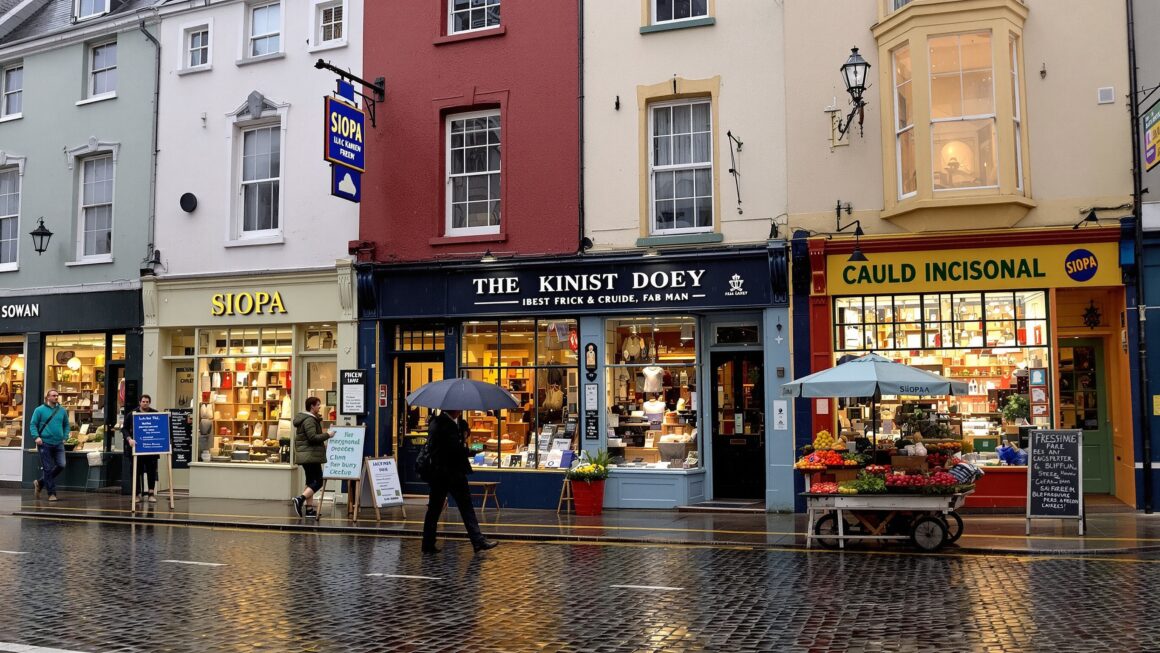
Why Irish Shops Still Surprise Visitors — A Local Guide to What to Buy, Where to Go, and How to Shop
Irish shops are a small, vivid world where centuries-old craft sits beside the latest tech, where a friendly conversation at the counter can be as important as the purchase itself. Whether you’re a visitor looking for authentic souvenirs or a local navigating weekly groceries, understanding Ireland’s retail landscape makes shopping more rewarding — and often more fun.
Quick snapshot
- Small independent shops (corner grocers, butchers, craft studios) remain beloved.
- National supermarket chains like Tesco, Dunnes Stores and SuperValu dominate everyday groceries.
- Tourist streets (Grafton Street, Henry Street) and market towns (Galway, Cork) mix boutiques and souvenir stalls.
- Increasing interest in sustainability: zero‑waste refill shops, farm-to-table delis, and makers’ co-ops.
Types of Irish shops worth knowing
- Independent grocers and butcheries: Fresh, local produce and friendly service — many still take specific orders and offer tips on cooking.
- Supermarkets: Large selection, weekly deals, loyalty apps; expect trolley‑style shopping with familiar brands plus Irish labels.
- Craft and gift shops: Knitwear, tweed, pottery (e.g., Belleek), and small-batch food gifts (jam, preserves, smoked salmon).
- Whiskey and brewery shops: Curated Irish whiskey, craft beers, tasting packs — staff often knowledgeable.
- Farmers’ markets & food halls: Great for seasonal produce, artisan cheese, and meeting producers directly.
- Vintage and boutique clothing stores: Growing scene in cities and towns; look for local designers.
- Refill and zero‑waste shops: Bring containers for bulk grains, toiletries and natural cleaning goods.
What to buy (and where to find the real deals)
- Knitwear & Aran sweaters: Look for yarn quality and labels — handmade pieces from coastal towns are often pricier but authentic.
- Tweed & wool accessories: Regions like Donegal and Galway have excellent mills and designers.
- Jewellery: Claddagh rings and Celtic designs are widely available; for authenticity, buy from established jewellers rather than airport stalls.
- Crystal & pottery: Waterford crystal and Belleek pottery are classic buys — check the marks for authenticity.
- Food & drink: Irish whiskey, craft gin, smoked salmon, artisan cheeses, and small-batch preserves.
- Local art & prints: Support independent artists in gallery shops and market stalls for unique souvenirs.
Best places to shop by city & setting
- Dublin: Grafton Street for high-street and buskers; Temple Bar for galleries and crafts; Powerscourt Centre and George’s Street for boutique finds.
- Galway: Quay area and the Latin Quarter for crafts, music and artisan food; Saturday’s market at St. Nicholas is a highlight.
- Cork: English Market for food; boutique shopping in the city centre and along Patrick Street.
- Small towns & villages: Explore local butchers, bakeries and craft shops — often where you’ll find the most character.
Practical tips for shopping in Ireland
- Hours: Most shops open 9–6 Monday–Saturday. Many close earlier on Saturdays and have limited Sunday hours (tourist areas extend hours). Supermarkets often open longer.
- Payment: Contactless cards and mobile payments are widely accepted. Cash is still used in small markets and for quick purchases.
- Tax refunds: Non-EU residents may claim VAT refunds in some stores — ask for a tax-free form at purchase and check minimum spend rules.
- Haggling: Not common in retail shops; prices at markets or for antiques might have some wiggle room if you’re polite.
- Language: You may see signs in English and Irish (Gaeilge). “Siopa” means shop.
How to spot authentic Irish craft vs mass-produced souvenirs
- Check maker labels or hallmarks (for jewellery and crystal).
- Ask about materials and production: handmade vs factory made.
- Price can be an indicator — very cheap “authentic” Aran sweaters are often acrylic and mass-produced.
- Buy from local galleries, co‑ops or producers’ markets for provenance.
Supporting local & shopping sustainably
- Bring reusable bags — many shops now charge for single-use bags.
- Use refill shops and farmers’ markets to reduce packaging.
- Look for makers’ cooperatives and pop-up shops where profits tend to stay in the community.
Online shopping and click-and-collect
- Irish retailers increasingly offer online stores and click-and-collect — handy in winter or for shipping bulky items home.
- Check shipping fees and export rules if buying large or valuable items (e.g., crystal, bulky woollens).
Final tips for visitors
- Allow time to wander: some of the best finds are in narrow lanes, market stalls or family-run shops away from the main drag.
- Bring a little patience and curiosity — many shopkeepers love to tell the story behind an item.
- If you want something truly local and handmade, ask where it was made. The story matters as much as the product.
Irish shops are more than places to buy things — they are social hubs, showcases for craft and taste-makers in their communities. Whether you’re hunting treasures or stocking up on staples, the experience is often as memorable as the purchase.